Top Level Prefabs


Background
Usage
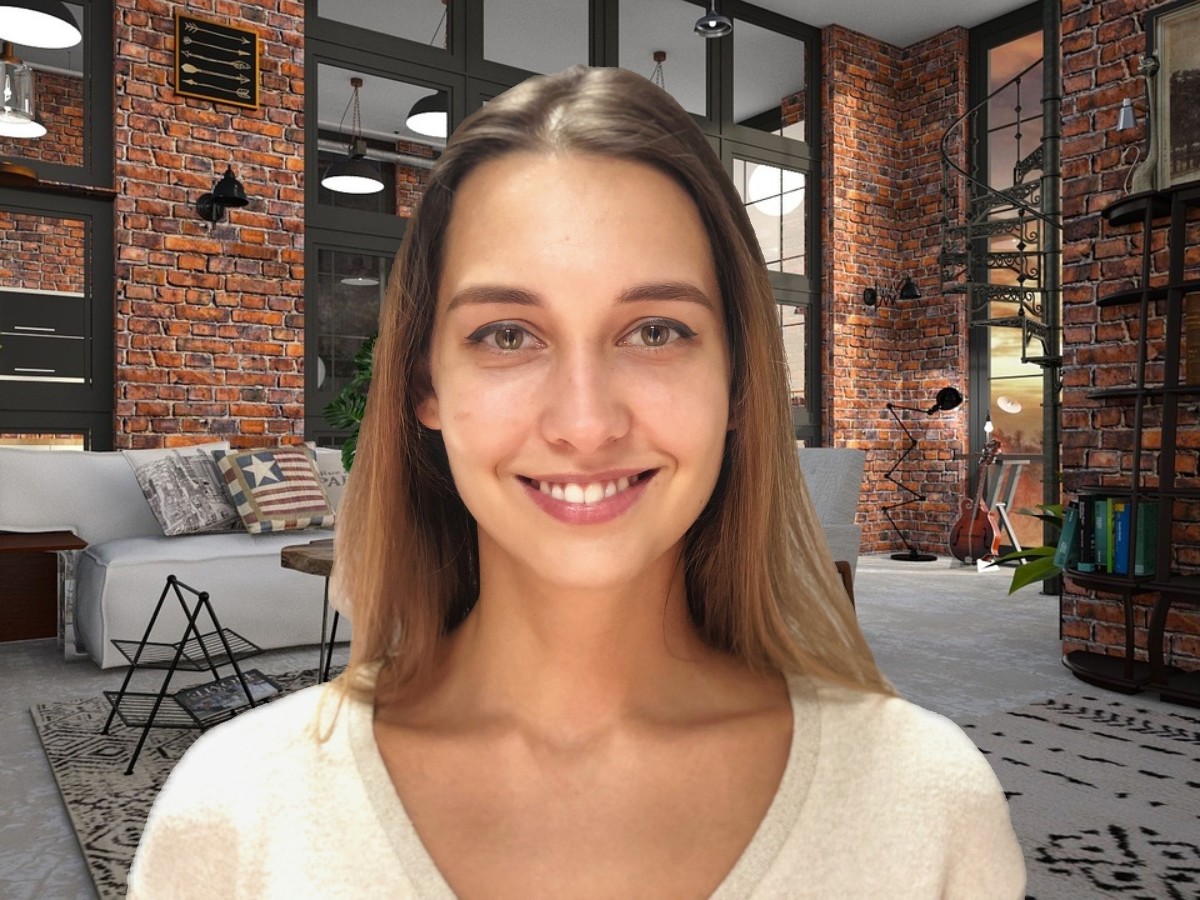
You can use a solid color:
{
    "background": {
        "color": "1 0 0 1"
    }
}
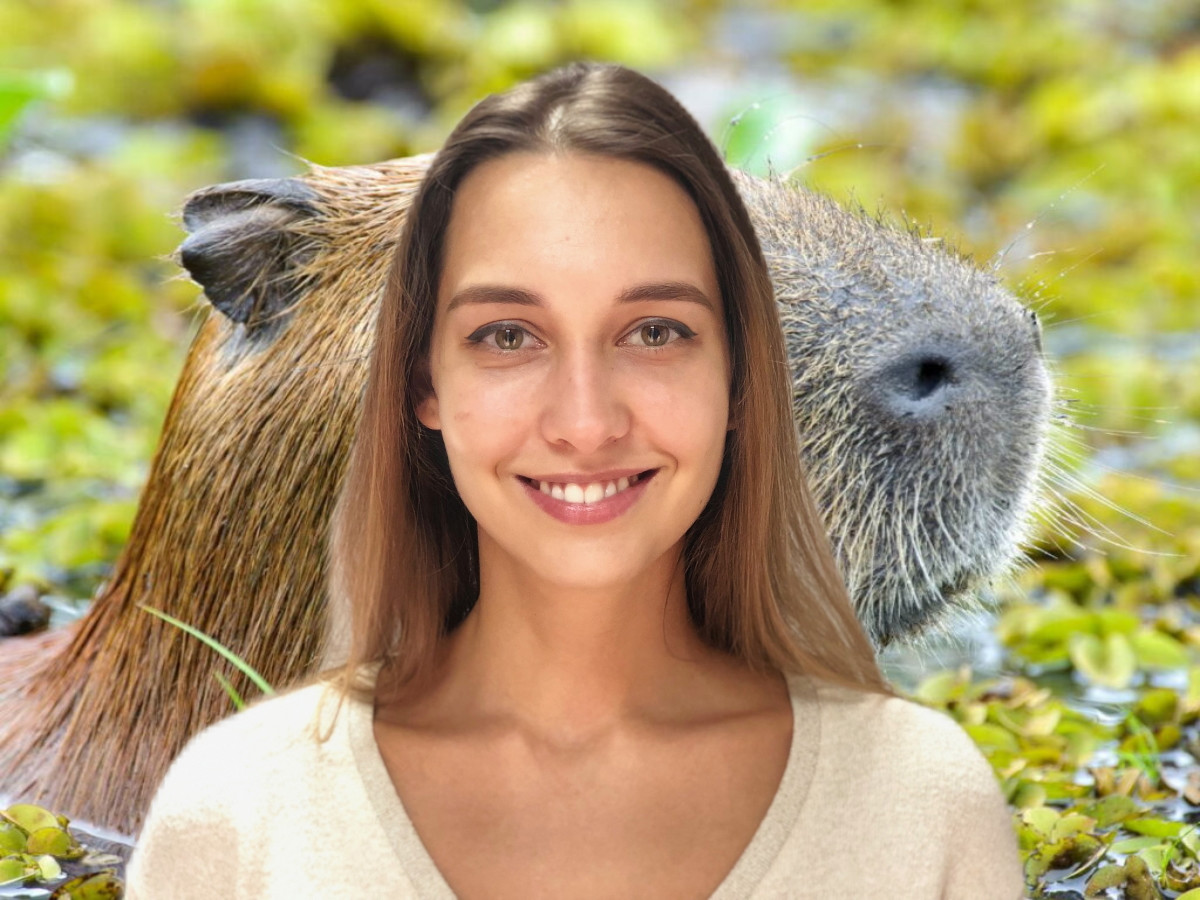
Alternatively, use a texture:
{
    "background": {
        "texture": "capy.jpeg",
        "rotation": 0,
        "scale": 1,
        "content_mode": "scale_to_fill",
        "blend_mode": "default",
        "clear_color": "1 0 0 1",
        "use_filter": true
    }
}
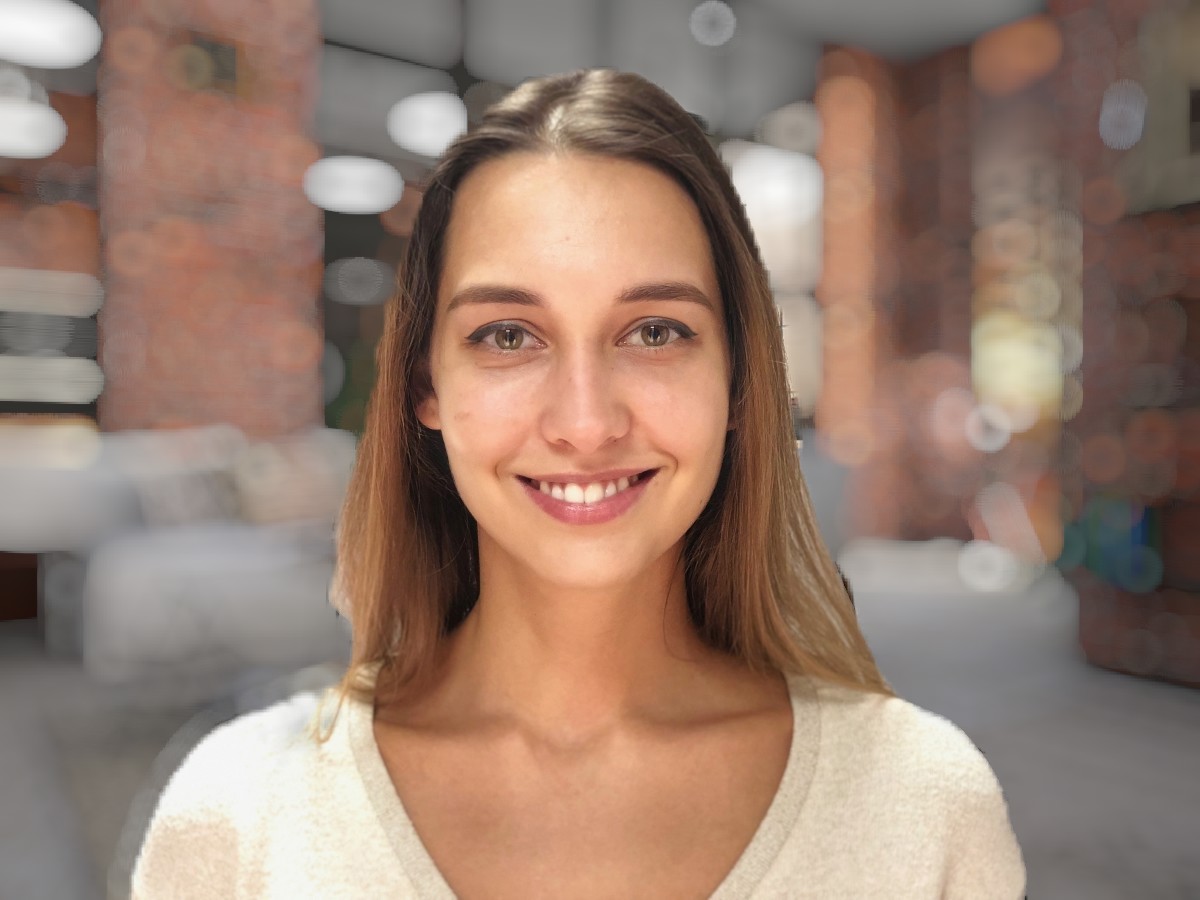
To blur the camera background:
{
    "background": {
        "blur": 0.5
    }
}
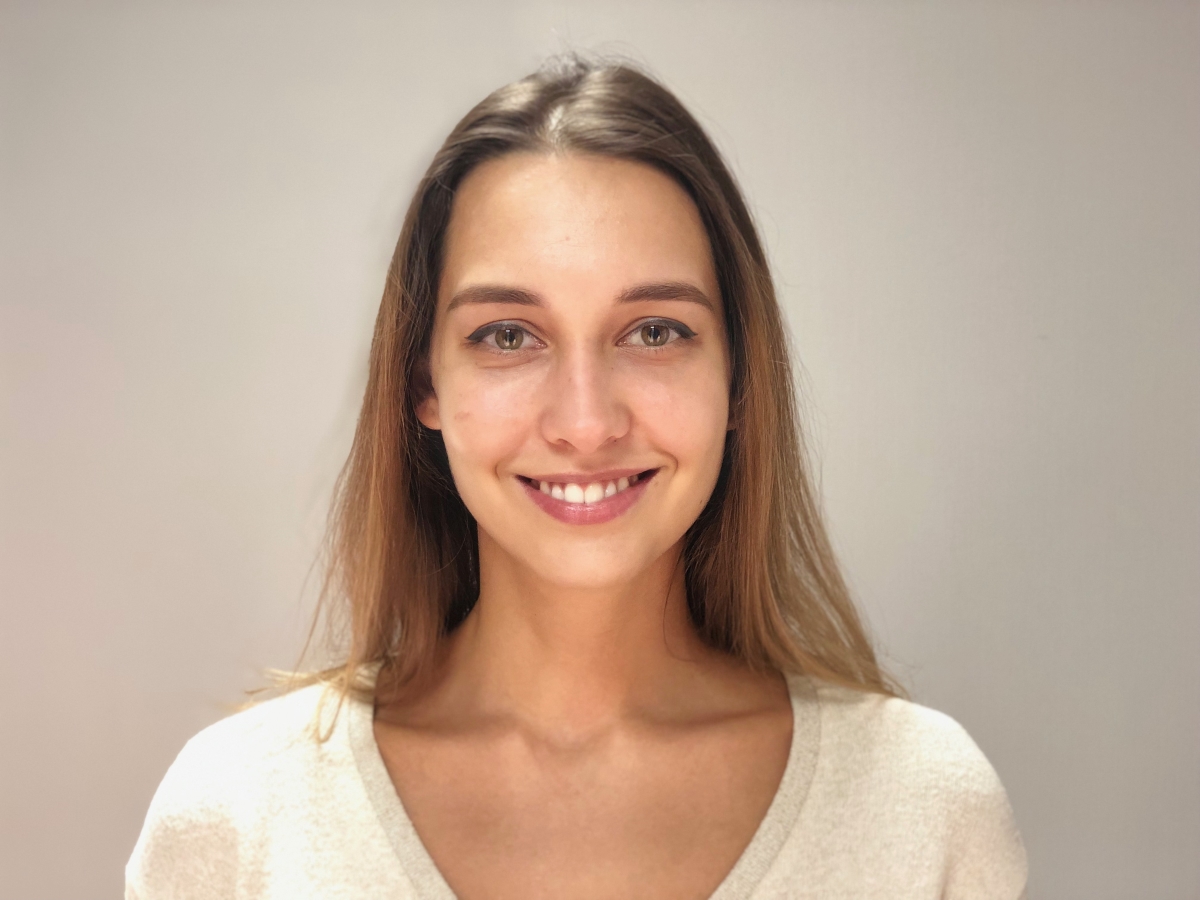
To make the background transparent:
{
    "background": {
        "transparency": 0.5
    }
}
Use this prefab to create a virtual background.
| Parameter | Description | Optional | Default Value |
|---|---|---|---|
| Sets a solid background color. See the color-format note in the prefabs overview. |  |
|
| Sets the background transparency to a value from 0 to 1. | |
|
| Sets an image or video file as the background texture. For best performance, use | |
|
| Rotates the background texture clockwise in degrees. | |
|
| Scales the background texture. | |
|
| Fits the background texture within the frame. Possible values are | |
|
| Sets the texture blending mode. Possible values are | |
|
| Sets the background blur radius in the range | |
|
| Specifies the color of the area not covered by the background texture, such as when | |
|
| [Experimental] Sets the scale factor for the camera image relative to the center of the image. | |
|
| [Experimental] Sets the offset of the camera image relative to the center of the image. | |
|
| Enables or disables a filter that smooths segmentation-mask contours. | |
|
Preview
Foreground
Usage Apply a texture or a video to the whole screen.
{
    "foreground": {
        "filename": "path/to/texture/file",
        "@blend": "multiply",
        "rotation": 0,
        "content_mode": "scale_to_fill"
    }
}
| Parameter | Description | Optional | Default Value |
|---|---|---|---|
| Path to a texture or video file. A texture must have a suitable alpha channel; otherwise, like a video, it hides the underlying content. For more information, see the supported image formats and video formats. | + | + |
| Applies the selected blending mode. The leading | |
|
| Rotates the foreground clockwise in degrees. | |
|
| Fits the foreground texture within the frame. Possible values are | |
|
LUT
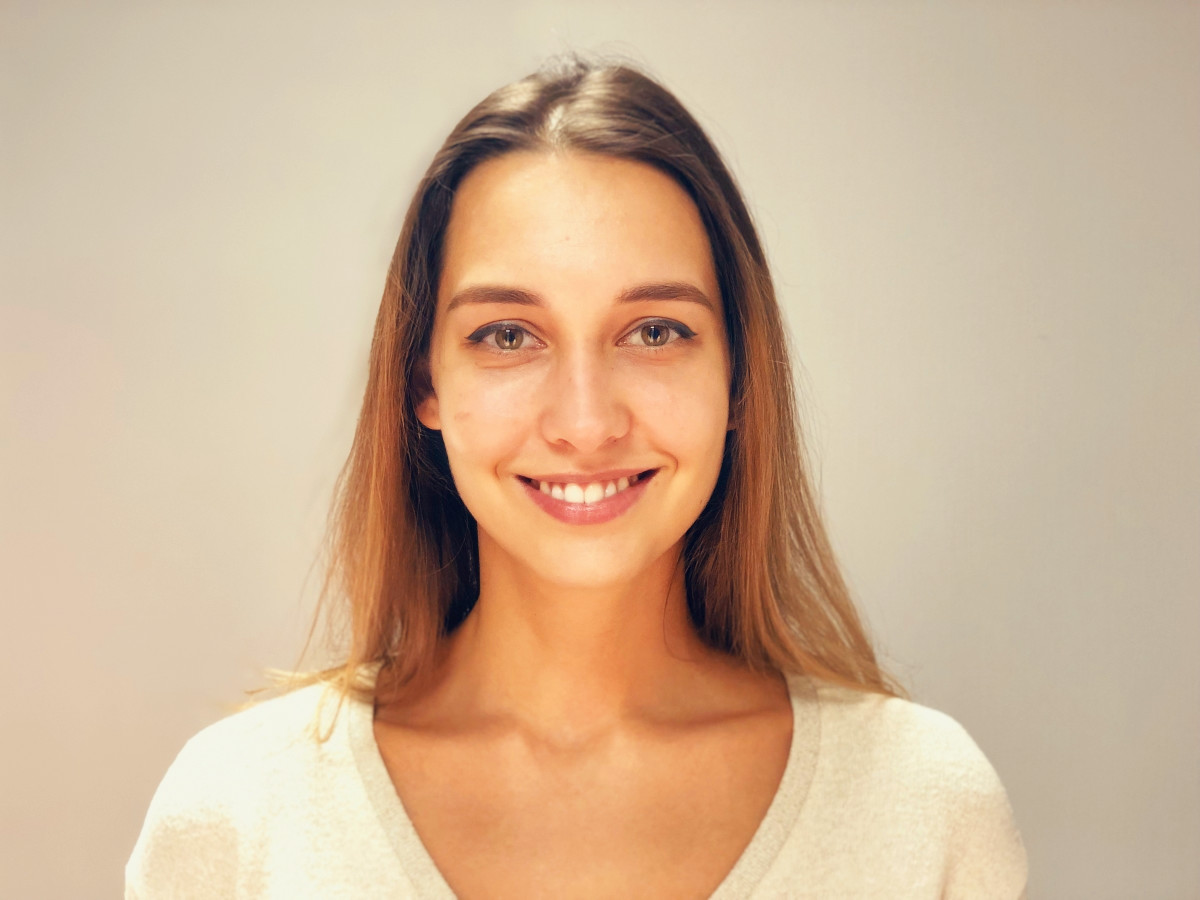
Usage Apply a color filter, also known as a LUT.
{
    "lut": {
        "filename": "path/to/lut/file",
        "strength": 0.9
    }
}
| Parameter | Description | Optional | Default Value |
|---|---|---|---|
| Path to the LUT file (usually PNG). | + | + |
| LUT strength in the range | |
|
Preview
Lights
Usage Add up to four directional light sources to GLTF models in addition to IBL textures. A GLTF model is required.
{
    "lights": {
        "radiance": [
            "10 0 0 0",
            "0 0 10 0"
        ],
        "direction": [
            "-1 0 0",
            "1 0 0"
        ]
    }
}
| Parameter | Description | Optional | Default Value |
|---|---|---|---|
| An array of light-source radiance values, or a single value for one light. Each value contains R, G, and B components followed by a light wraparound factor. | |
|
| An array of light-source directions, or a single direction for one light. Each direction contains X, Y, and Z components. | |
|
MSAA
Usage
Apply multisample anti-aliasing to the effect. MSAA makes the image look cleaner by smoothing jagged edges. A GLTF model is required.
The @samples_count parameter is required.
{
    "msaa": {
        "@samples_count": 4
    }
}
| Parameter | Description | Optional | Default Value |
|---|---|---|---|
| Required MSAA sample count. The value must be | + | + |
Bokeh
Usage Enable the bokeh effect for the background.
{
    "bokeh": {
        "samples": 16
    }
}
| Parameter | Description | Optional | Default Value |
|---|---|---|---|
| Sample count in the range | |
|
Preview